
Measure the assembly, not just the surface
Ask which materials and locations will be assessed, including accessible adjoining rooms and floor layers. A stain can shrink while moisture remains elsewhere. Measurements, instrument limitations and safe access should inform the proposed work.
Ask what the drying plan includes
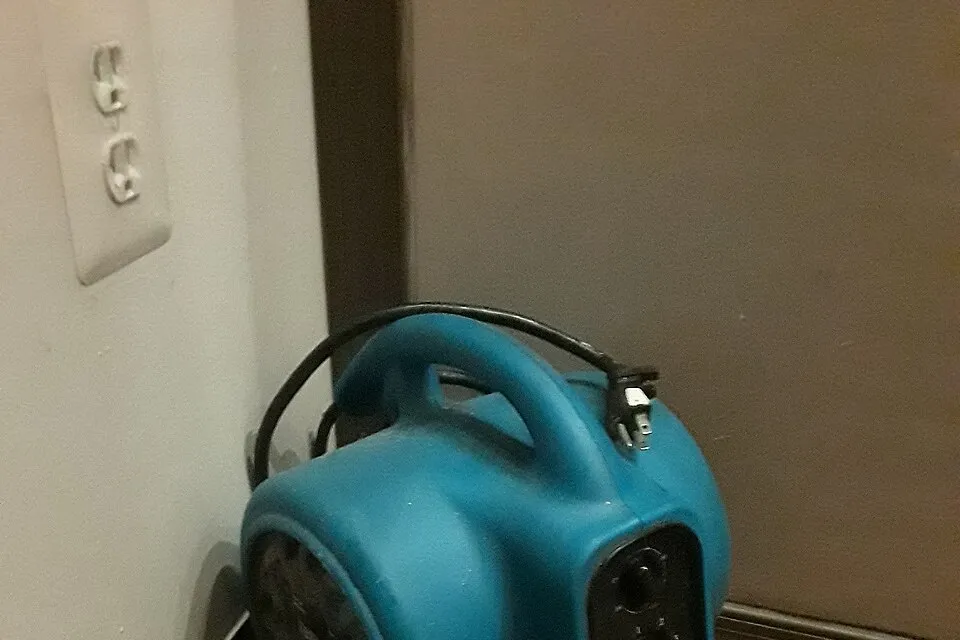
Confirm the equipment, placement, monitoring visits and records included in the proposal. Do not choose equipment settings from a website. The business should explain how the observed material conditions determine its plan. For this specific decision, read Water Heater Leak in Lexington: First Steps and Scope Decisions.
Identify access constraints
Built-in cabinets, carpet layers, ground-floor rooms and shared walls can affect evaluation. Give the business a description of those assemblies and any restrictions. Do not open walls yourself to investigate dampness or suspected mold.
Agree on documentation
Ask what measurements are recorded at the start, during monitoring and at completion. Confirm the criteria used to stop equipment and whether unresolved areas remain. A fixed number of days is not evidence that your property is dry.
Keep Lexington climate in perspective
In Kentucky, cold or humid outdoor conditions can complicate assumptions about wet building materials. Occupied rooms and safe ventilation constraints belong in a professional assessment. Do not use weather alone to decide that an assembly is dry.
Coordinate the return to finishes
Before flooring or wall finishes are replaced, ask who accepts the drying records and who handles repair permissions. Drying, source repair and reconstruction are separate responsibilities that should be named in writing.
Questions that make the estimate clearer
- Which materials and rooms are included?
- Who repairs the source and who handles reconstruction?
- How are changes, monitoring and completion documented?